Good Evening!
I am Patryk Kuchta, an aspiring
Artificial Intelligence Scientist.
and yes, the greeting is synced to your time.
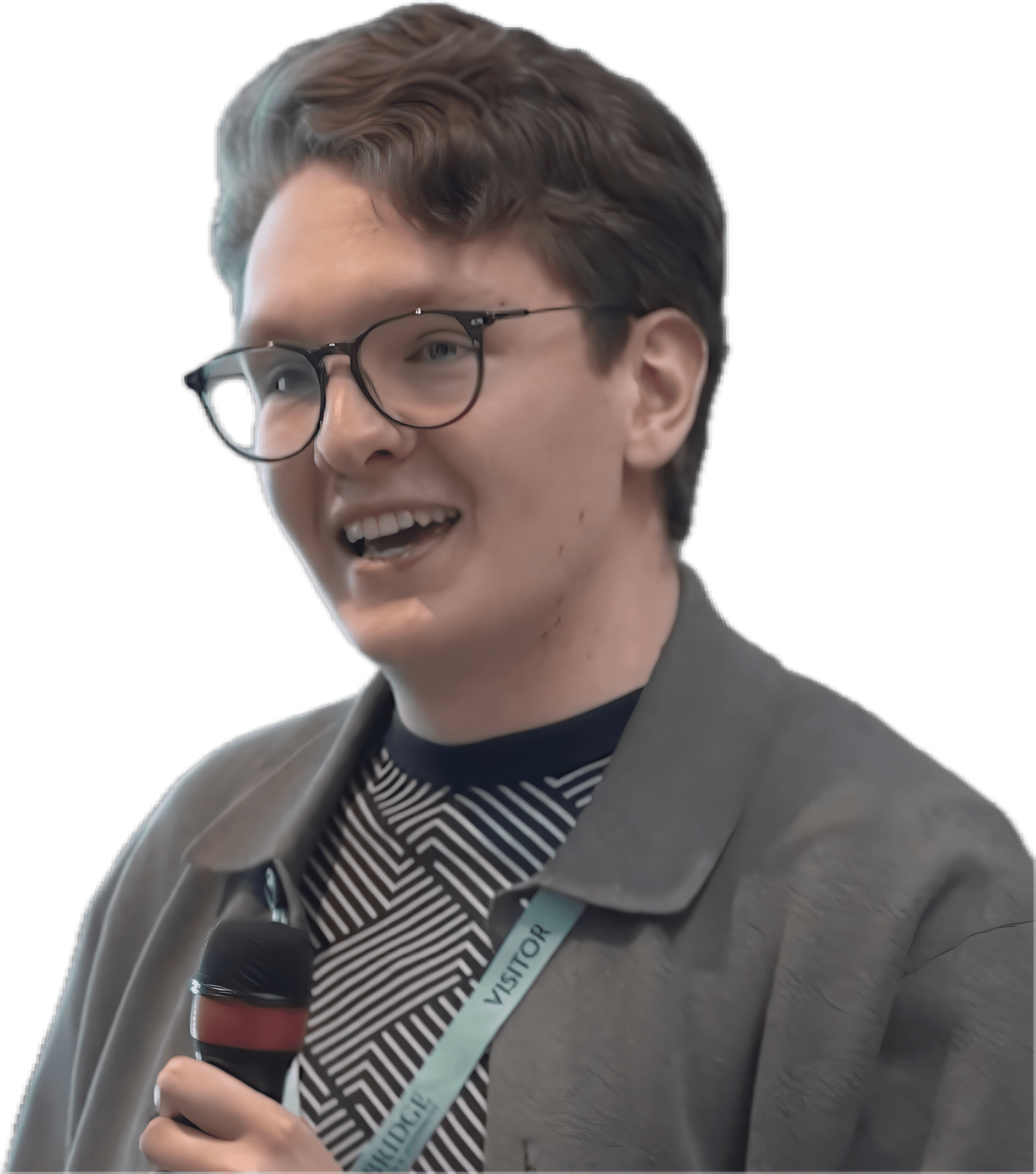
Frontal image showing Patryk Kuchta

What I'm Up To

Patryk Kuchta at work

Technical Consultant

Specializing in AI Engineering

at Softwire

Manchester, United Kingdom

I spend much of my time designing and evaluating AI systems, or systems where AI plays a central role. My work involves the full lifecycle of AI implementation, from initial concept through to production deployment.

I have delivered training and adoption materials that have significantly improved AI usage within Softwire, helping teams understand both the capabilities and limitations of AI technologies. I've also created autonomous AI pipelines that have reduced developer burden by automating tasks that were previously time-consuming manual processes.

Working with diverse clients (from the highly skeptical to the enthusiastically optimistic), I've developed expertise in communicating AI benefits while respecting organizational constraints. This involves not just technical implementation, but also the human and ethical dimensions of AI adoption.

A particular area of passion for me is Ethical AI and Sustainable AI. I've spent considerable time advocating for sustainability considerations in AI systems, conducting environmental assessments for embedded AI, and building adoption systems that leverage local open-source AI instead of relying on large providers whose ethical standards can be questionable.

Education

Master of Science in Artificial Intelligence
at University Of Edinburgh
  • Graduated with Distinction
  • Delivered multiple complex AI projects
  • Conducted in-depth research projects in the NLP field
Edinburgh, UK
Sep 2023 - Sep 2024
Bachelor of Science in Computer Science
at Queen Mary University of London
  • Graduated with First Class Honours
  • Recipient of the Westfield Trust Academic Prize
  • Graduated with overall average at 90%
London, UK
Sep 2020 - Jul 2023

Work Experience

Growing up in Warsaw, I moved to London at 18. Since then, my career and education has taken me through Edinburgh and Manchester, shaping my journey across the UK.

Manchester

Technical Consultant
at Softwire
in Manchester, United Kingdom.
Software & AI

Since November 2025
Software Developer
at Softwire
in Manchester, United Kingdom.
Software & AI

November 2024 - November 2025
Manchester

Edinburgh

Programming Data Annotator
at DataAnnotation Tech
in New York, United States (Remote).
Artificial Intelligence

Since January 2024
Edinburgh

Greater London

Laboratory Demonstrator
at Queen Mary University
in London, United Kingdom.
Education

September 2021 - April 2024
Software Developer Intern
at Softwire
in London, United Kingdom.
Software

June 2023 - August 2023
Greater London

Warsaw

Customer Assistant
at McDonald's
in Warsaw, Poland.
Hospitality

July 2018 - August 2018
Warsaw
  • Multi-LLM Tool Use – Modular Pipeline with Expert Adapters

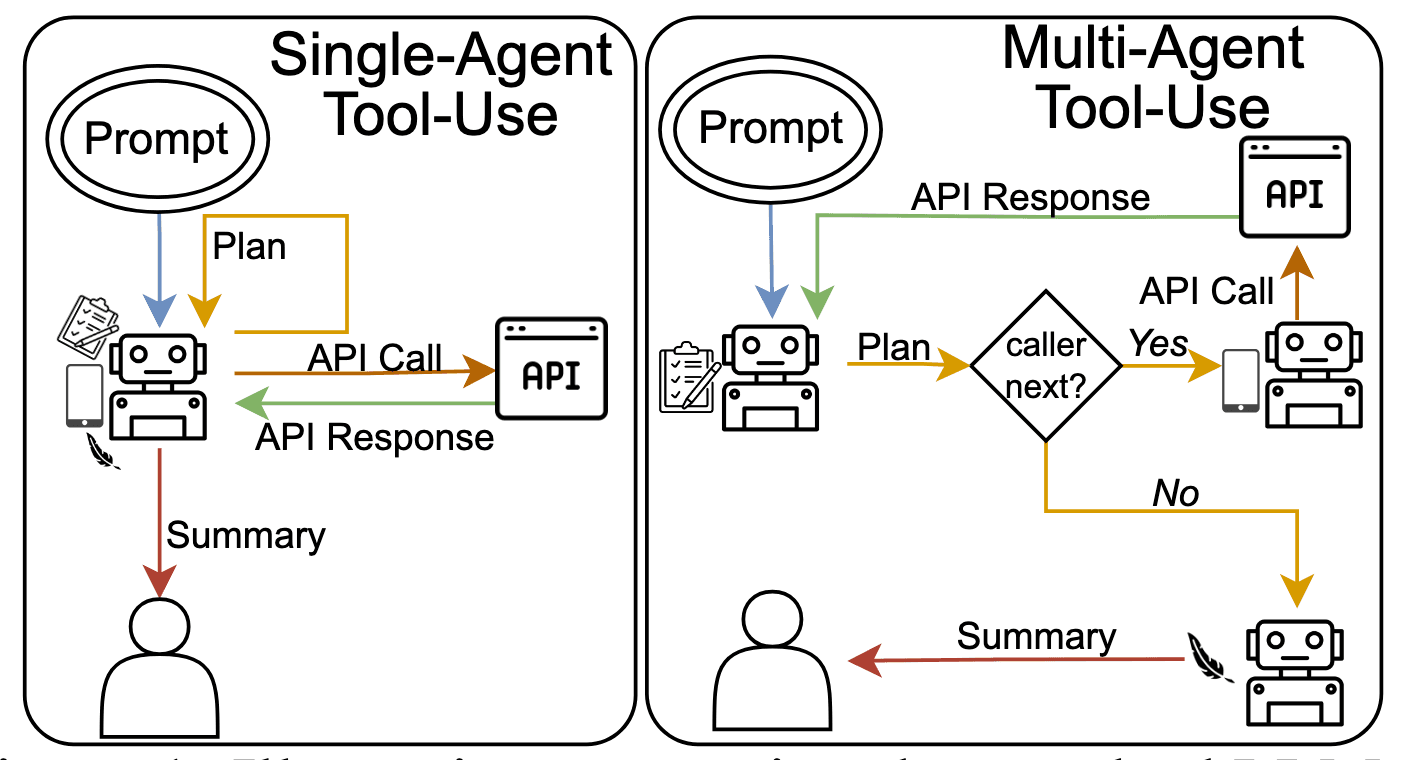
    In this work, I explore a practical and cost-effective approach to improving how AI models interact with external tools and APIs. Instead of relying on large, expensive models or complex zero-shot learning methods, I utilize a modular pipeline using smaller, specialized components (Planner, Caller, Summariser) trained separately. I introduce to it a hard routing agent system that assigns tasks to expert adapters based on API categories, the system achieves performance that surpasses much larger closed-source models on a key benchmark. This approach enables more efficient, decentralized training and has potential applications beyond the tool-use QA task.

    Image showing the Multi-LLM Tool Use – Modular Pipeline with Expert Adapters project.
  • Deep Learning for Real Estate Valuation - Introducing a novel normalization technique

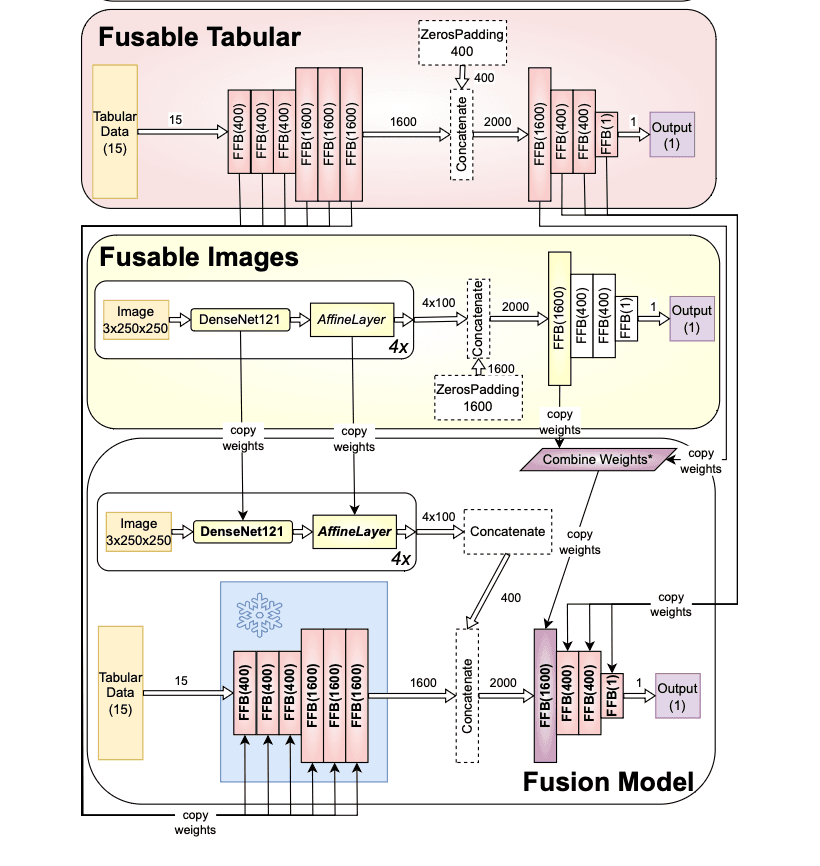
    Conducted within a group of three, this project presents a novel deep learning approach to predicting apartment prices using both images and structured data. The model combines feed-forward and DenseNet convolutional networks, enhanced through transfer learning and advanced regularization techniques. To address regional and temporal variations in the housing market, we introduced a geo-temporally normalized loss function—an innovation tailored for real-world market dynamics. Uniquely, the study also incorporates transport and point-of-interest maps as part of the feature set. Evaluated on a partially self-collected Latvian real estate dataset, the system achieved a strong R² score of 0.7287, surpassing previous methods in the field.

    Image showing the Deep Learning for Real Estate Valuation - Introducing a novel normalization technique project.
  • Research Proposal: Multi-LLM Tool Use – Task Splits and Fine-Tuning Strategies

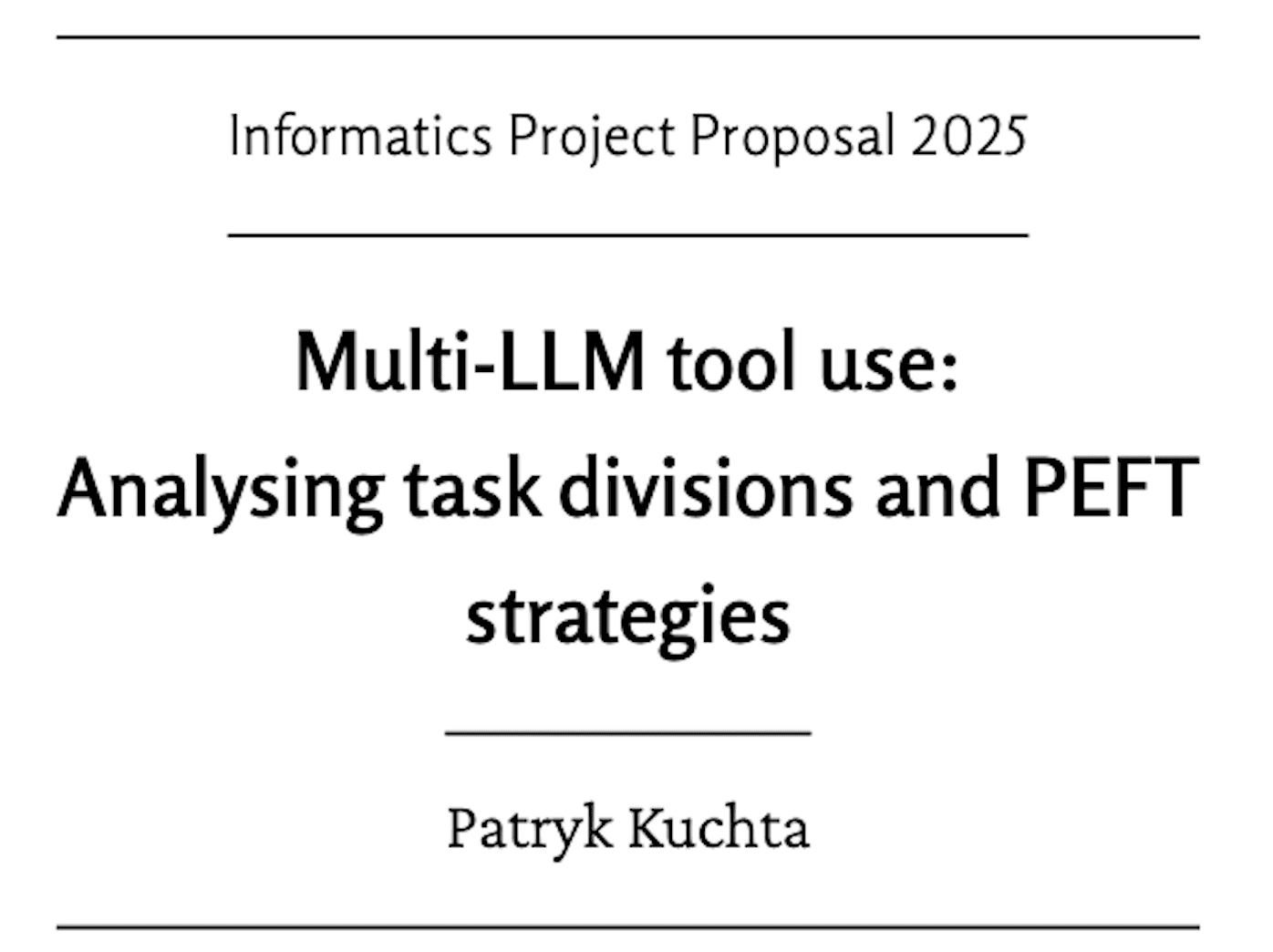
    This 2025 research proposal explores new ways to enhance tool use in small language models by distributing tasks across multiple fine-tuned agents. Building on recent advances in parameter-efficient fine-tuning (PEFT), the proposed study investigates novel task divisions and tuning strategies to improve the effectiveness of multi-agent LLM systems. While still in the proposal stage, this work aims to contribute to the growing field of tool-augmented AI by making small models more capable and cost-efficient.

    Image showing the Research Proposal: Multi-LLM Tool Use – Task Splits and Fine-Tuning Strategies project.
  • Research Review of Neural Techniques for low-resource language translation

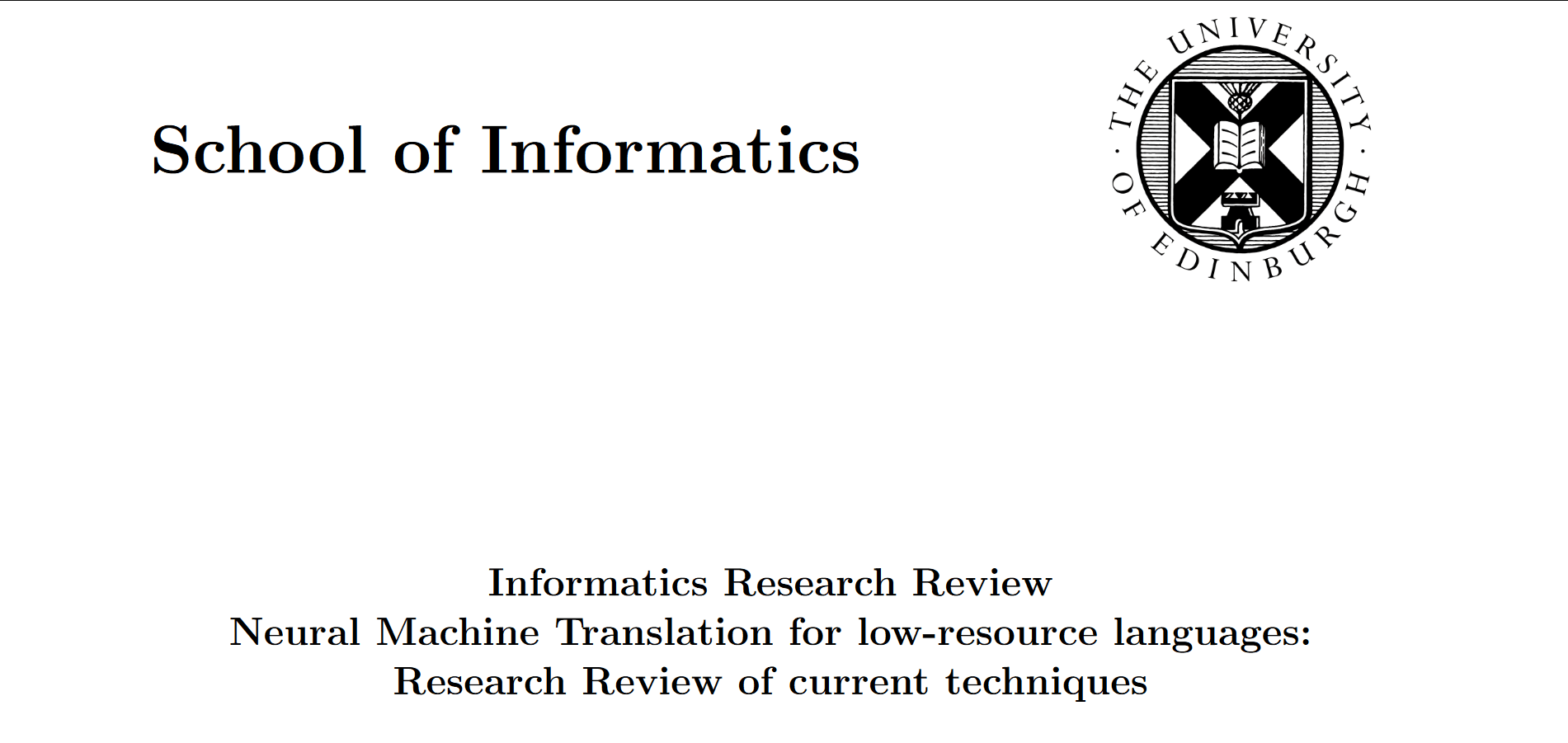
    As part of my Master's program, I had the opportunity to conduct an in-depth research review on "Neural Techniques for Low-Resource Language Translation," which received excellent marks across all criteria. By critically evaluating the current state of the art in this field, I gained valuable insights into the potential of neural machine translation to break down language barriers and enable better communication across different cultures and communities. I am proud to showcase this project on my website and contribute to the ongoing efforts to improve low-resource language translation. This report was marked as 'excellent' for every criterion assessed in this course.
    Image showing the Research Review of Neural Techniques for low-resource language translation project.
  • Natural Computing: Implementing and analysis of PSO, GA and GP

    During my Master's program, I had the opportunity to take a course on Natural Computing, where I implemented and analyzed three major algorithms: Particle Swarm Optimization (PSO), Genetic Algorithms (GA), and Genetic Programming (GP). This coursework allowed me to gain hands-on experience with these powerful optimization techniques, which are inspired by natural phenomena such as swarm intelligence and evolution. Through this project, I developed a deep understanding of the underlying principles of natural computing and its potential applications in various fields, such as engineering, finance, and biology. I am excited to showcase my implementation and analysis of PSO, GA, and GP on my website and demonstrate my proficiency in natural computing techniques.

    Image showing the Natural Computing: Implementing and analysis of PSO, GA and GP project.
  • Undergraduate Dissertation Project

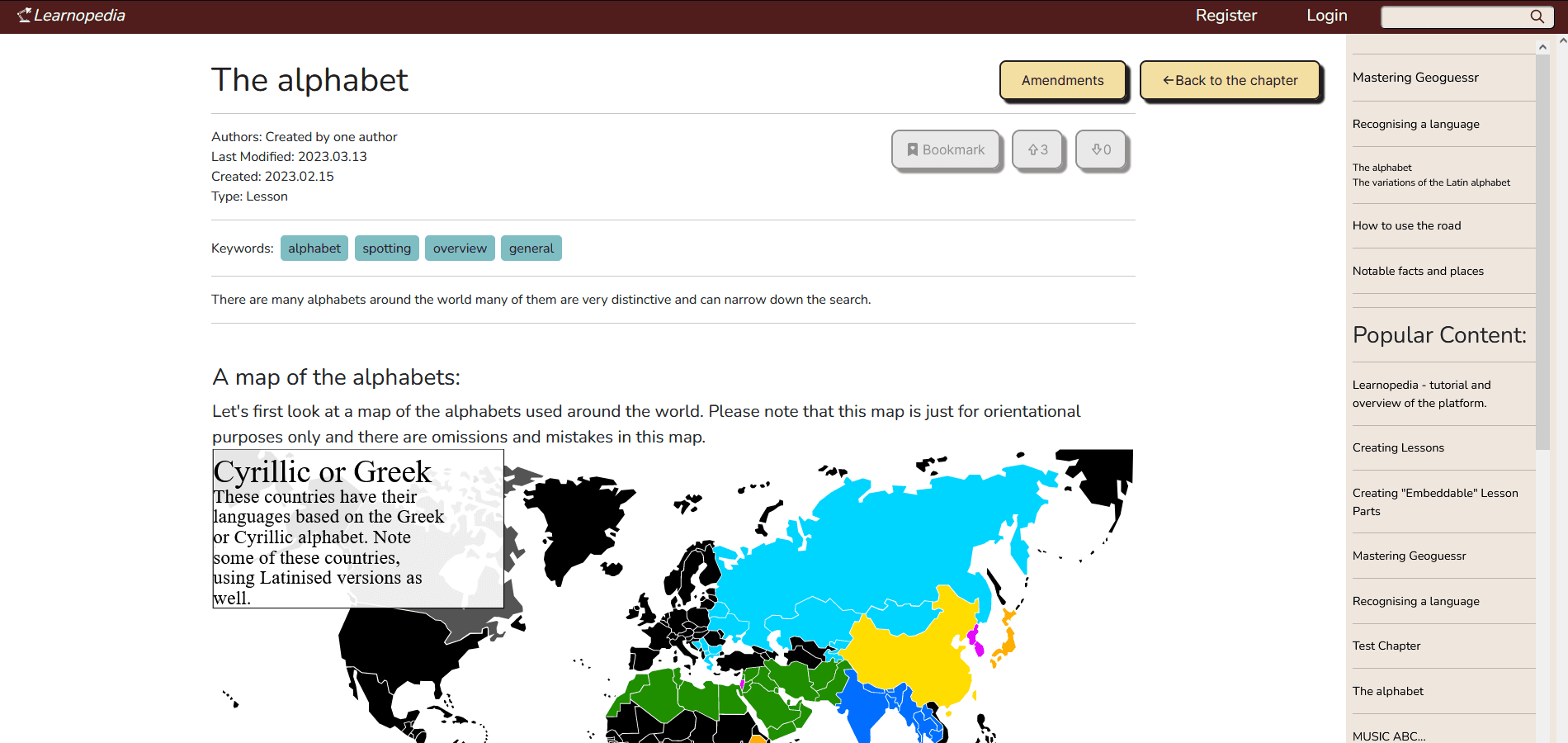
    In this project, an online learning platform was created with the aim of diversifying and enriching online courses in all domains. The project focused on developing a learning platform, where courses were created collaboratively with a democratic system for approving suggestions. This allowed many people to contribute to creating courses. The details of the platform's implementation were worked out through academic research and an analysis of competing software, both of which were included in this report. Additionally, the report covered the details of the implementation, testing, and evaluation of the platform.

    Image showing the Undergraduate Dissertation Project project.
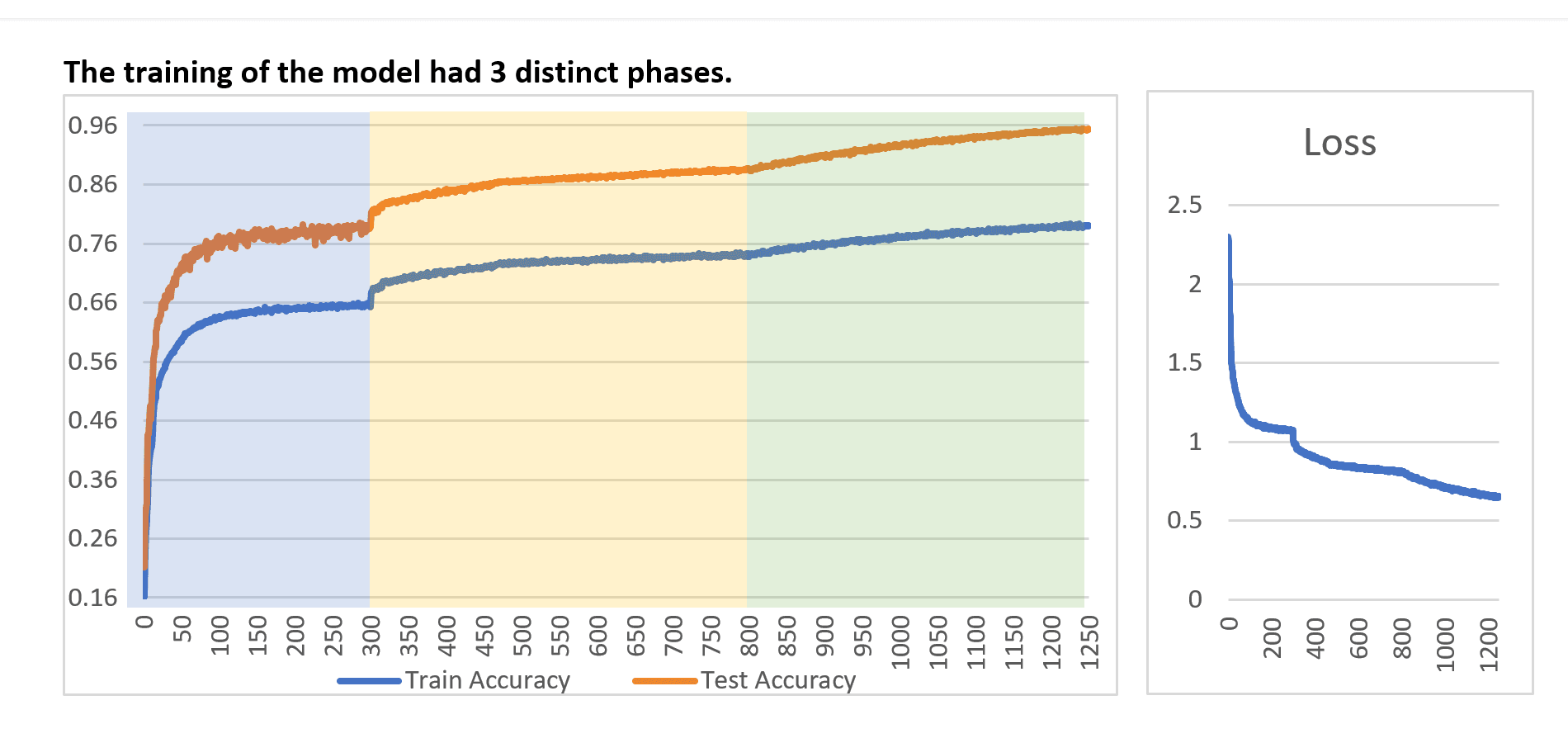
  • Image classification using the CIFAR-10 Dataset

    In this project, I successfully implemented an image classification model using the CIFAR-10 dataset. Through the application of deep learning techniques and convolutional neural networks, I achieved an impressive final accuracy of 95.5%. The coursework assignment was a resounding success, as it showcased my ability to effectively train and fine-tune models for image recognition tasks, leading to a perfect score of 100%. The project not only demonstrated my proficiency in machine learning but also enhanced my understanding of image processing and model evaluation.

    Image showing the Image classification using the CIFAR-10 Dataset project.
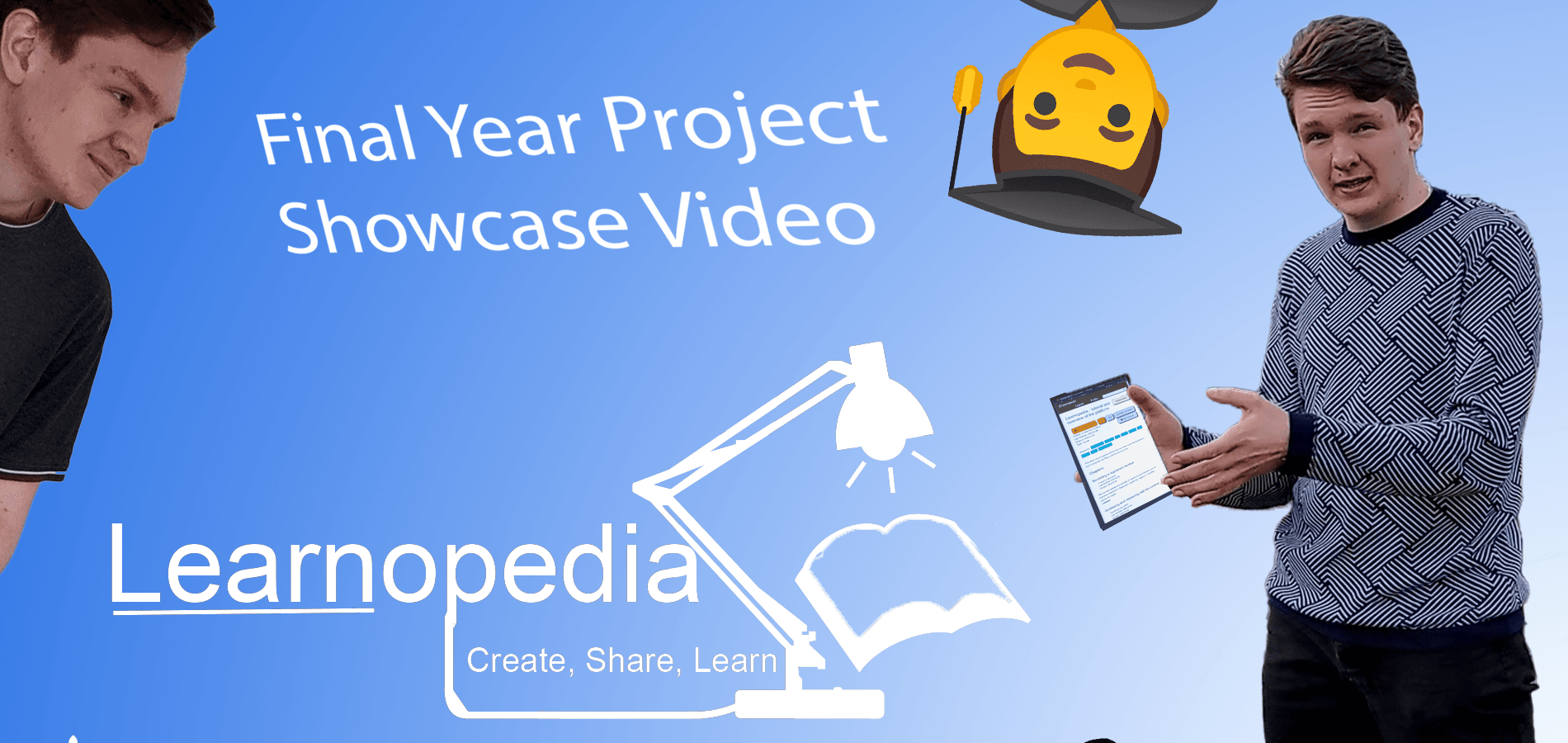
  • Project Dissertation Showcase Video

    The showcase video highlights the creation of an innovative online learning platform aimed at diversifying and enriching courses across various domains. It emphasizes the collaborative approach to course creation through a democratic system for approving suggestions. The video showcases the platform's user-friendly interface and unique features. I am proud to announce that the video received the "Best EECS Undergraduate Project Showcase Video" award, and is featured on the official QM EECS youtube channel.

    Image showing the Project Dissertation Showcase Video project.
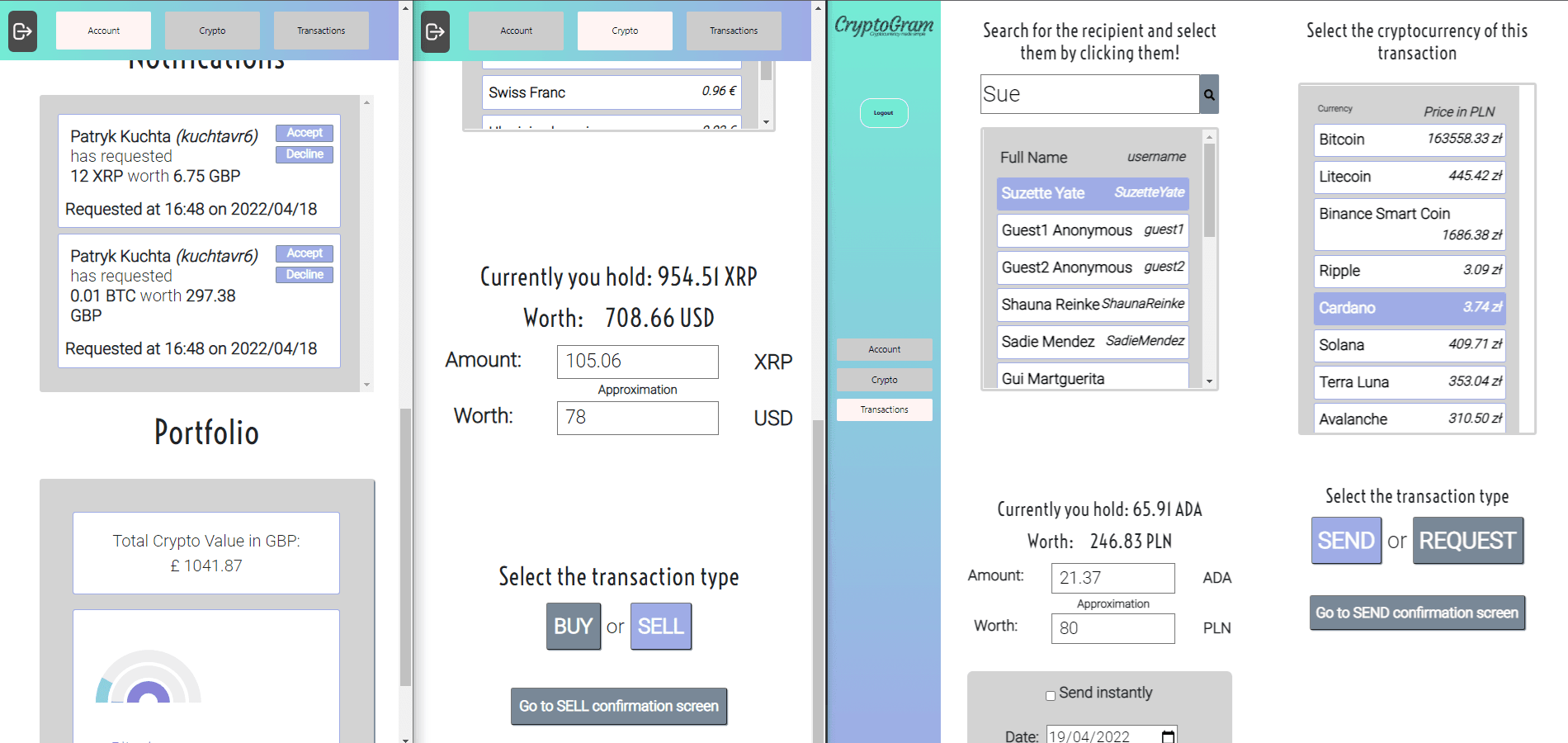
  • Cryptocurrency wallet prototype

    This is one of my academic projects, the prototype that you can see in the figure was created from the ground up starting with the domain analysis for our idea. We have worked as a group of 6, where I have taken the position of a manager assigning tasks, keeping track of deadlines and checking the quality of work of others. There were lots of interesting challenges creating the prototype itself, like learning how to create a RestAPI, but the biggest challenge was effective teamwork, in which I believe we have succeeded, having all of our group contributing a significant work and having only minor problems with code integration. This project has won the best project award.

    Image showing the Cryptocurrency wallet prototype project.
  • Fully functional weather app

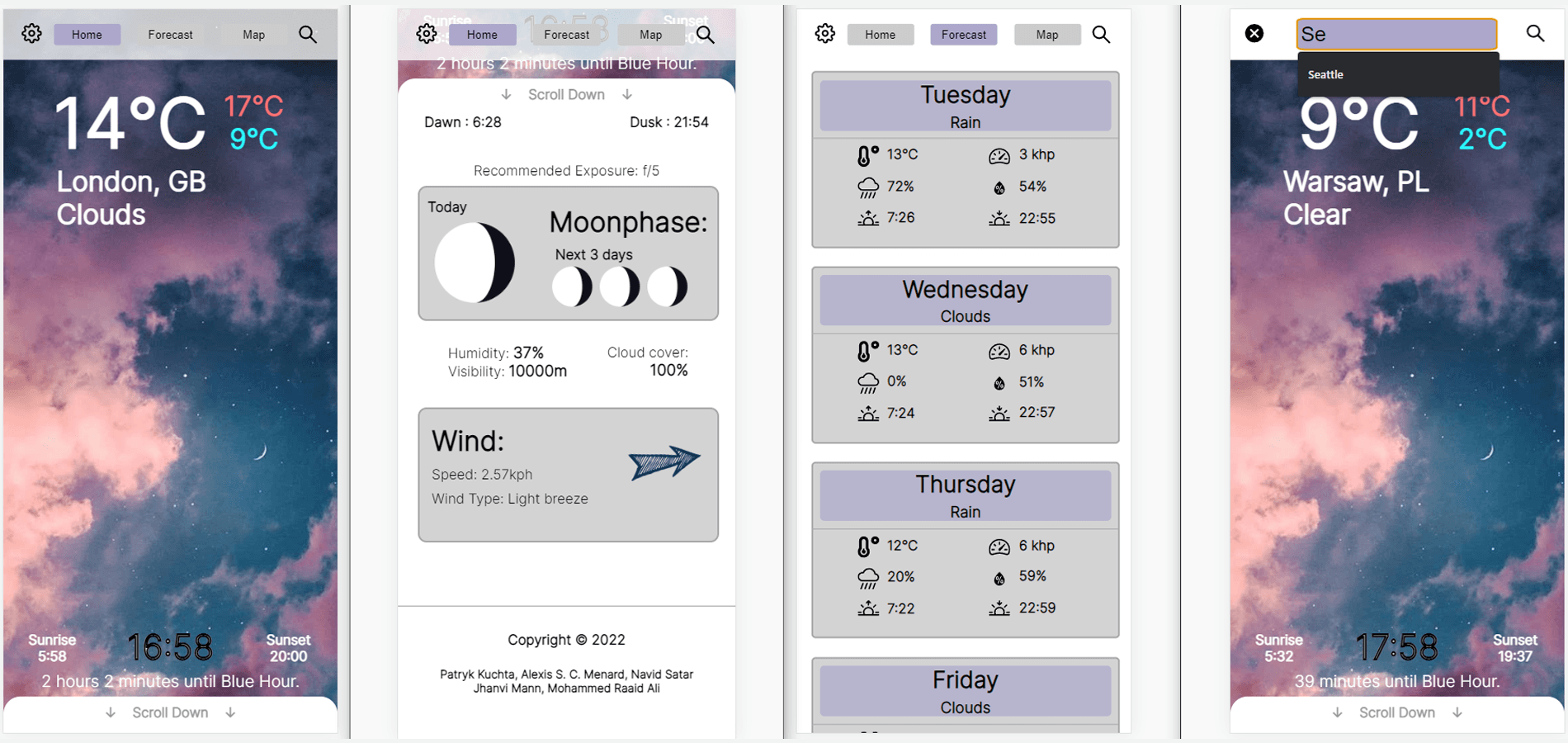
    This is also one of my academic projects, where the goal was to create a fully functional weather application with one stakeholder in mind, we have chosen to create an application tailored for photographers. While developing this application I have learned about creating a very usable and minimalistic User Interface, along with working with APIs. Furthermore, I have gained experience working in a team, where I also became the manager of the project.

    Image showing the Fully functional weather app project.
  • Portfolio website for an Psychotherapist

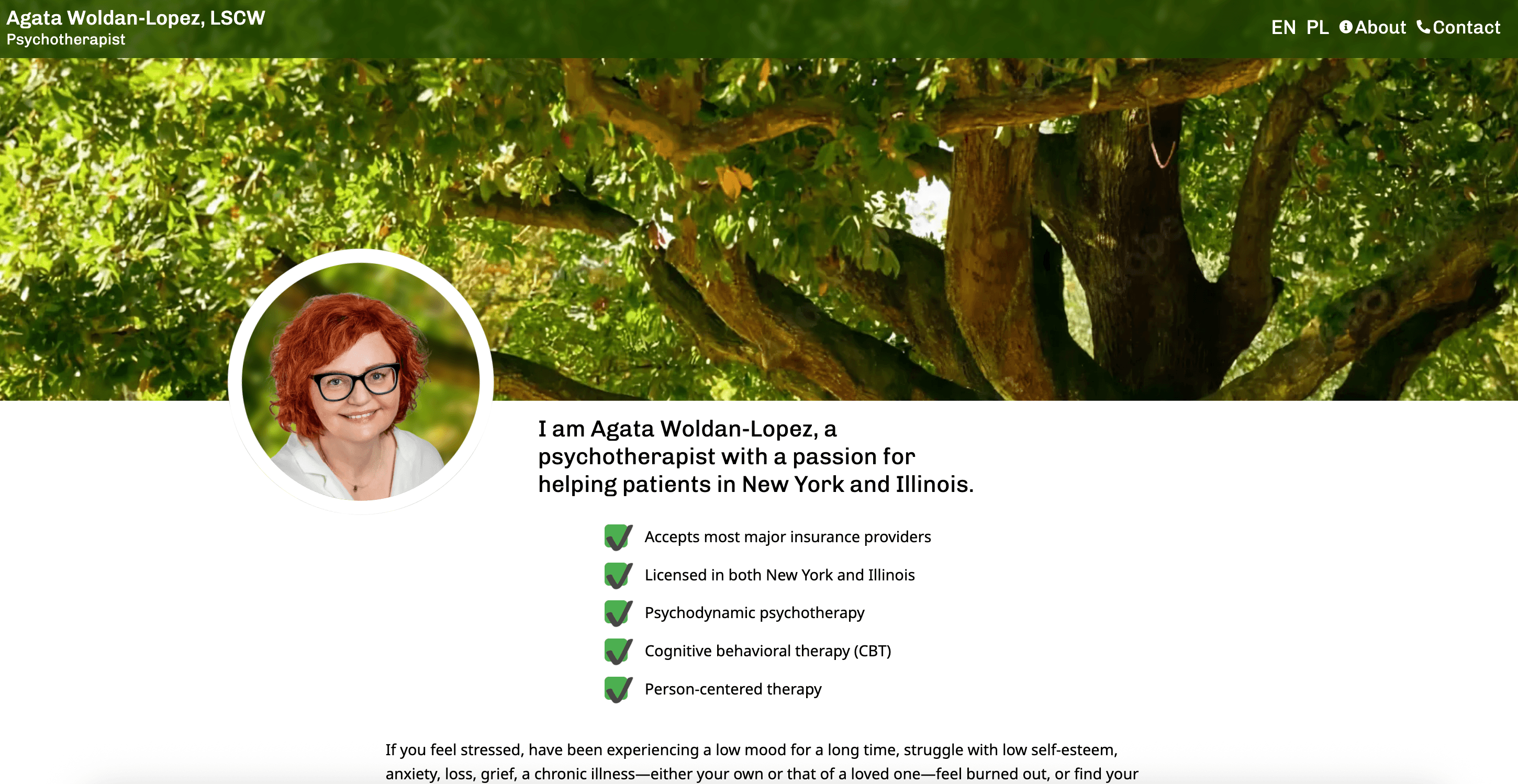
    I created a portfolio website for a psychotherapist, working closely with the client to develop a design that feels calm, professional, and welcoming. Using React, TypeScript, and CSS, I translated our collaborative vision into a fully responsive and accessible site. The layout and visual style were carefully crafted to reflect the therapist’s approach and values. I ensured seamless performance across devices and screen sizes, with attention to both aesthetics and usability.

    Image showing the Portfolio website for an Psychotherapist project.
  • Portfolio website for an Architect

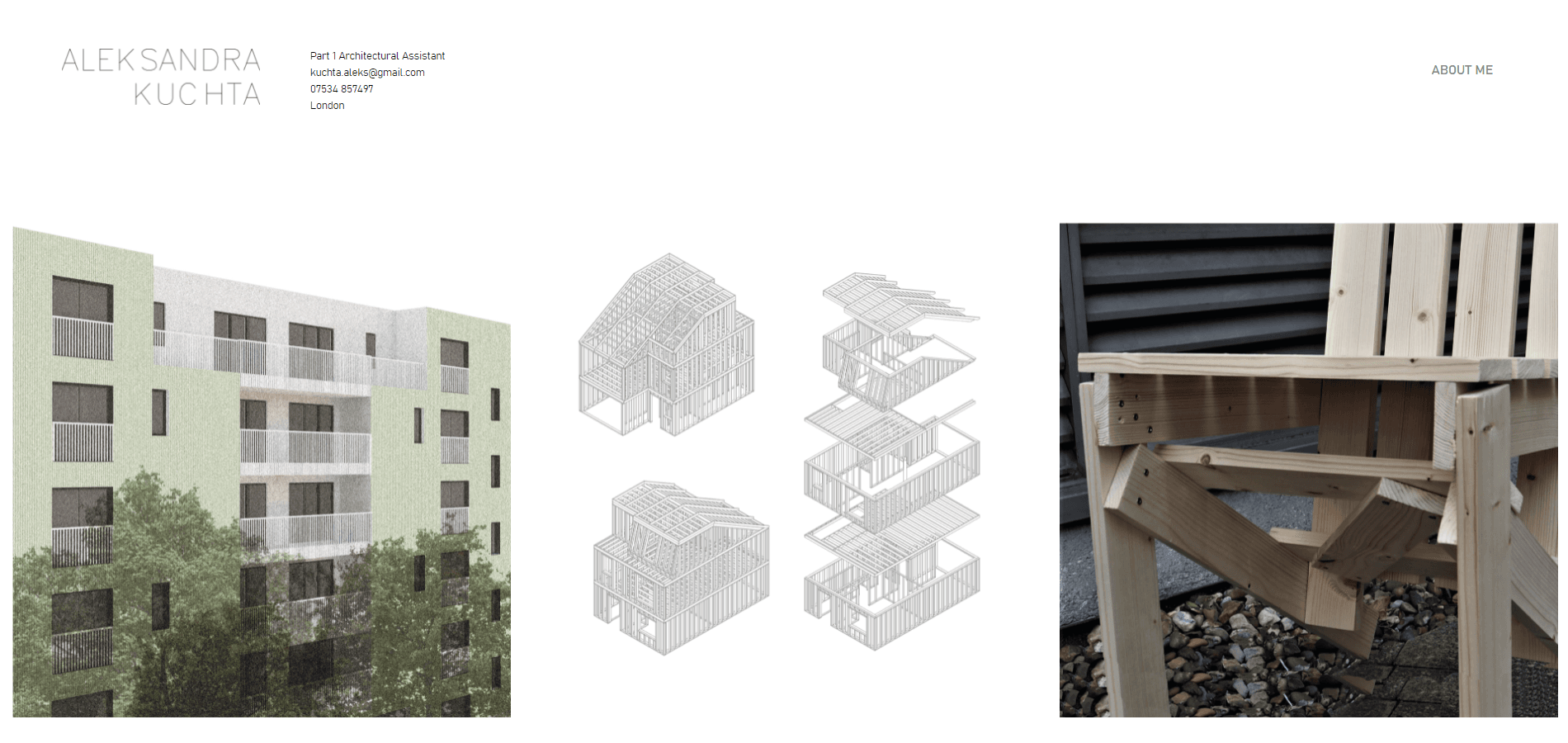
    Another professional website, that I have created is a portfolio website for an Architect. The design was a vital part of the whole experience as an Architect needs to exhibit their design language. The creation of this website involved using HTML, CSS and Javascript. Javascript is mainly used for the integrated gallery view of each project. Whilst I didn't come up with the design, I was tasked with translating sketches into code. Furthermore, Bootstrap was used to ensure that the website still looks stunning on a mobile device or a vertical screen.

    Image showing the Portfolio website for an Architect project.
  • A discord bot for colourful messages

    To further expand my knowledge in python and APIs, I developed a fully functional bot that creates embedded messages. Although the task might seem not that hard, I gave myself a requirement that the system must have professional-grade exception catching and an interface that will make it very easy to use by someone less fluent in command based interaction. This made it a much bigger project with extensive testing and a steep learning curve. Even though it was my third discord bot this one was the most challenging and I have learned a lot from writing it.

    Image showing the A discord bot for colourful messages project.
  • DIY AndroidAuto

    A project that I did during the first lockdown, was creating an AndroidAuto based infotainment system for my Dads car. This project gave me a chance to work with Linux, Python, RaspberryPi, 3D printing and design (in Blender), soldering, relays and electronics in general. It had all features of a full AndroidAuto experience including wake on Ignition, separate volume adjustment and a touchscreen. Because I was only using the most basic electronic components possible this allowed me to design and create electrical circuits. Furthermore, a lot of parts were 3D printed and I had to ensure that components that I created were shake and heat resistant so they can survive in a car environment.

    Image showing the DIY AndroidAuto project.